Construction R&D: 4 Contract Questions to Ask Before You Claim.
Quick answer: The technical story and the contract story both deserve attention before a construction research-credit claim.
A difficult job can generate clever engineering. That does not settle the tax treatment. Before a credit conversation turns into a savings number, put the contract beside the project records. A reviewer should understand what you did, what the agreement required and how the relevant work was paid for.
1. What work are we actually discussing?
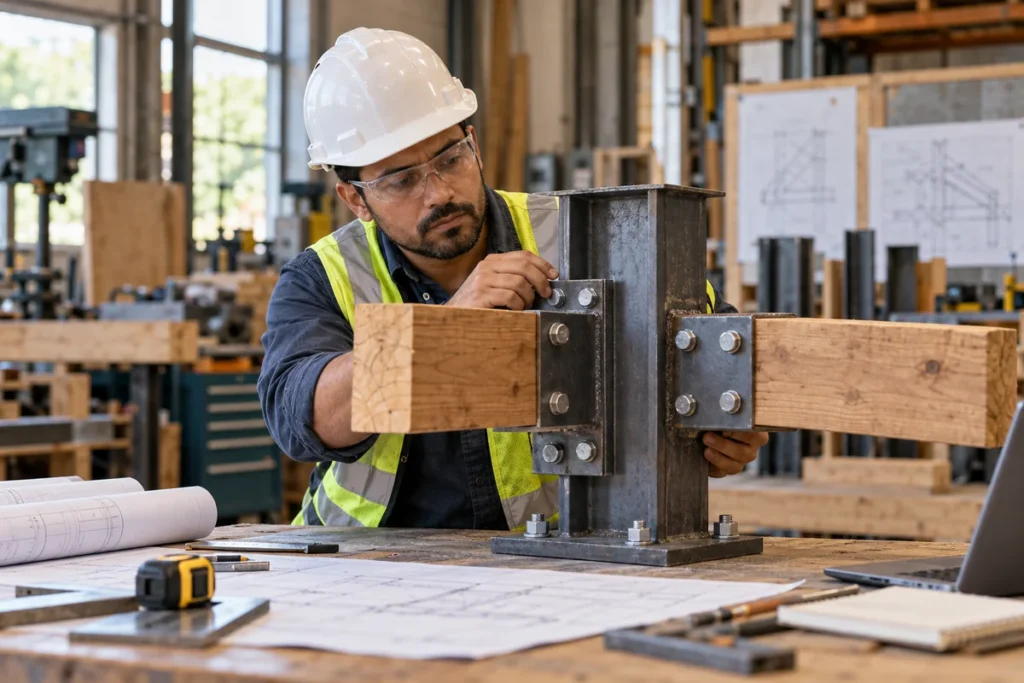
Imagine a contractor evaluating alternative connection designs for an unusual site condition. Describe that investigation separately from the rest of the job. Ask the reviewer to identify the specific activities under consideration rather than treating every hour on a complicated project as research. Include the drawing revisions and the reason each alternative was tested.
2. Which agreement governs the work?
Bring the signed agreement, relevant changes, scope attachments and any subcontract terms. Do not rely only on a salesperson’s summary of the arrangement. Create a short index showing where the reviewer can find the clauses they request. If the job had several contracting parties, explain the relationships instead of assuming the top-level agreement answers every question.
3. What happens if the work does not produce the result?
Ask your reviewer to explain the funded-research exclusion and how your particular payment and rights terms affect the analysis. Describe what happened in practice as well as what the contract says. A fixed-price label alone is not a substitute for reading the agreement. Keep the conclusion in writing so it can be discussed with your return preparer.
4. Can we connect technical work to costs?
Prepare a list of people, tasks and dates for the investigation. Identify how time was recorded and which figures are estimates. Provide the supporting source records securely. Ask what the reviewer needs to reconcile the project description with payroll and other financial information. A compelling engineering story is more useful when the costs can be explained.
Use the answer to improve the next review
If records are missing, note the gap honestly and ask what can be supported. For future projects, agree on a practical documentation process with your team. It could include a dated decision log and consistent project references. Do not change past files to make a project look more technical than it was.
Your next step
Gather one contract and its matching project file. Read the construction guide, then ask a qualified specialist to explain the analysis and remaining uncertainties.
Read the related guide · Use the business tax finder
Affiliate disclosure: we may earn compensation from qualifying referrals. Confirm scope, pricing and eligibility with the provider.
Explore an ETS R&D assessmentSources and editorial notes
IRS primary-source reference. Sources checked October 8, 2026. Examples are hypothetical; people shown are AI-generated illustrations, not clients or endorsers. This article provides general education and has not been represented as reviewed by a tax professional. Eligibility and outcomes depend on your facts and current rules.